
It’s Magic Grant Season at the Brown Institute, and for the past two weeks, we’ve done a lot of reading.
Every year, the Brown Institute receives proposals from Columbia, Stanford, and Bicoastal teams. They represent ideas that might shape the media and technology landscape.
Last year’s cohort leaned toward products and technical innovation. The questions were largely about what one could build. This year’s finalists were more civic-minded. Artificial Intelligence still runs through the proposals, but it shows up as a tool rather than a subject. Teams were proposing using AI to measure its effect on audience trust, using it to protect documentary subjects, and to help audiences interrogate their own media diets. The technology is no longer the point – it’s what you do with it.
To sort through all of it, we assembled a jury that combined the perspectives we thought the proposals demanded. An international data journalist, a community media and engagement expert, and an investigative journalist and engineer who happened to be a former grantee. They spent a week reading, commenting, scoring, and ranking proposals, before participating in a lengthy discussion, working through the strengths and weaknesses of each proposal, and deciding which teams would advance.
One judge kept returning to the variety of proposals they read. “There are a range of issues impacting media and access to information today,” they told us, highlighting misinformation, trust, engagement, and AI as examples. The proposals tackled all of them. “What was striking was the different ideas proposed to address them.” Some teams wanted to re-engage audiences through AI-driven tools; others proposed hybrid models built around community-led, in-person gatherings; others focused on teaching the public “how misinformation works and where to find trusted sources.”
The takeaway, for this judge, was less about the problems than the energy behind the responses. “Modern media does face challenges,” they said, “but being involved in the judging process has shown me that media today is evolving. What it will be tomorrow is in the hands of these innovative teams…”
Magic Grant recipients receive up to $150k in funding (or $300k for bicoastal teams) covering team salaries, project production, and professional development for up to a year. Grantees also gain access to a mentoring network and an alumni community of nearly 400 people across more than 150 projects. Past grantees have turned their proposals into companies, launched tools, expanded teams, and have pushed their work well beyond the grant itself.
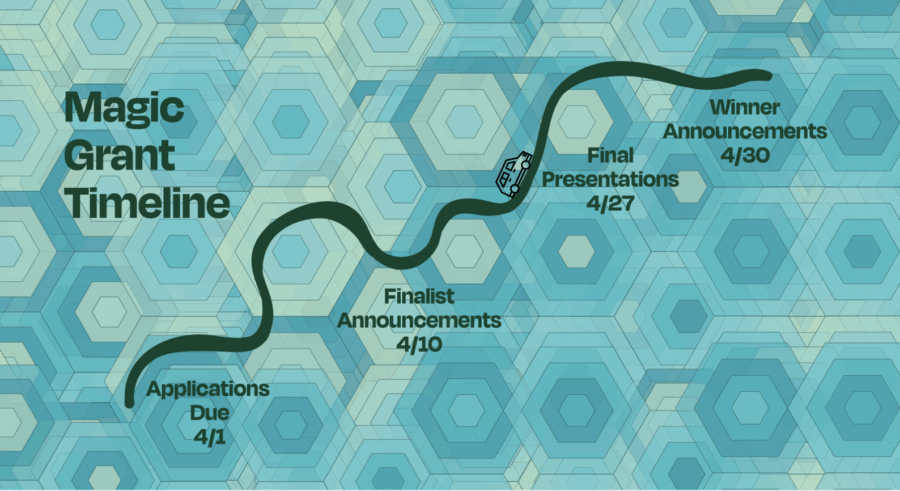
Finalists have been notified and will present their projects in the coming weeks. We’ll announce the recipients on April 30th. More to come!